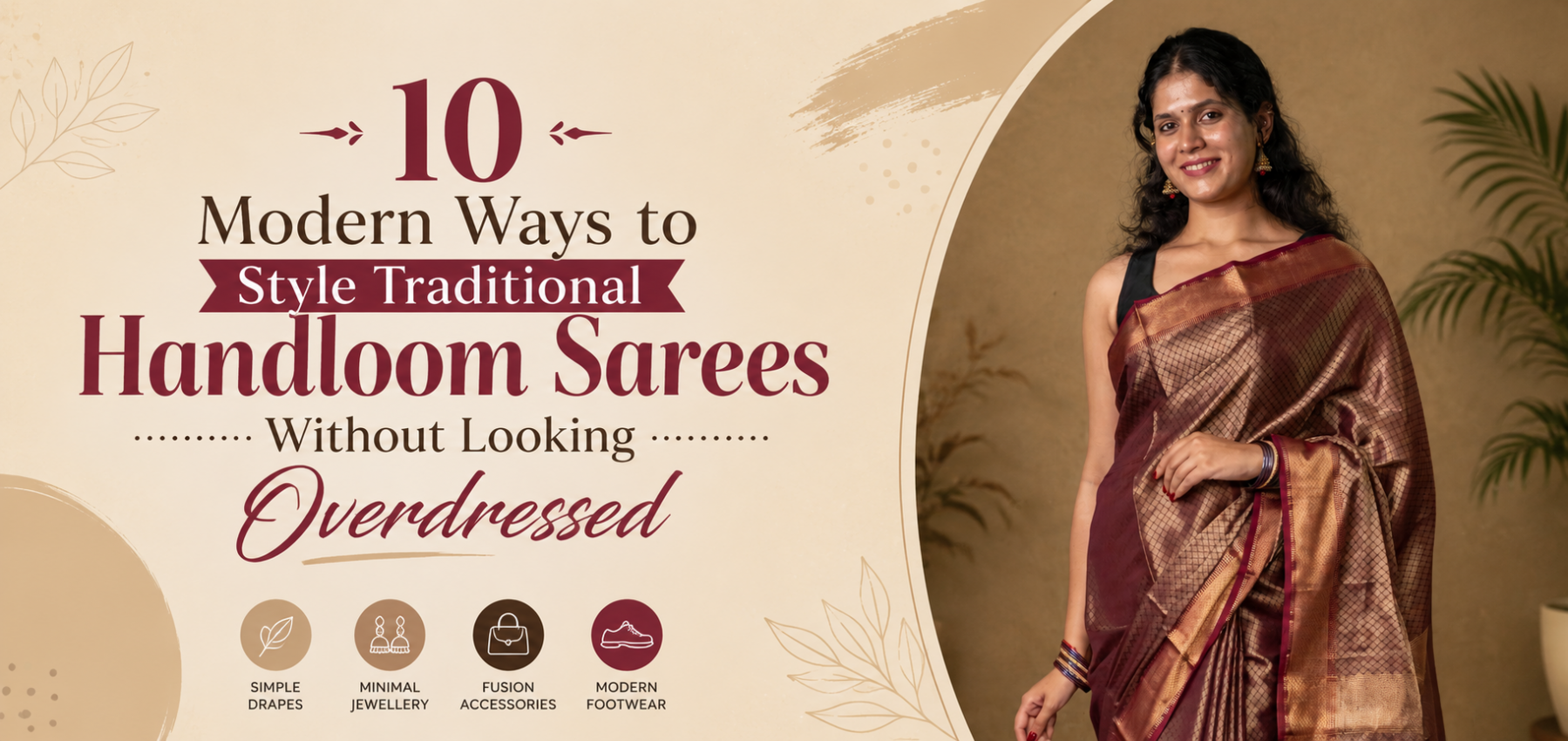
Different Types of Traditional Dupattas and How to Style Them
Indian ethnic fashion is deeply rooted in heritage, craftsmanship, and timeless elegance. Among all traditional elements, the dupatta holds a special place. More than just an accessory, it reflects cultural identity, adds grace to outfits, and enhances styling versatility. From festive celebrations to everyday wear, dupattas continue to evolve while preserving their traditional charm. Understanding the Different Types of Traditional Dupattas helps modern women choose pieces that blend heritage with contemporary styling. In today’s fashion landscape, handcrafted dupattas are gaining popularity due to their authenticity, breathable fabrics, and artisanal value. Indian weaves like Maheshwari, Chanderi, and Batik prints represent centuries-old techniques passed down through generations. These traditional dupattas are not only elegant but also versatile enough for modern wardrobes. This guide explores various styles, their origins, and how to style them for different occasions while embracing sustainable fashion.
The Cultural Importance of Dupattas in Indian Fashion
The dupatta has been an integral part of Indian attire for centuries. Traditionally worn with salwar suits, lehengas, and sarees, it symbolizes modesty, elegance, and femininity. Over time, designers and artisans have experimented with fabrics, textures, and draping styles to make dupattas suitable for both traditional and fusion outfits. Historically, dupattas also carried regional significance. In North India, phulkari dupattas represented celebration and festivity, while Bandhani styles from Gujarat and Rajasthan symbolized auspicious occasions. In South India, silk dupattas complemented temple-inspired outfits. These regional influences highlight how dupattas evolved into versatile fashion pieces that blend culture with functionality. Today, dupattas are styled in multiple ways — draped over both shoulders, worn as a stole, layered with Indo-western outfits, or even used as statement accessories. With increasing awareness around sustainable fashion, handcrafted dupattas are being preferred for their authenticity and unique character.
The Beauty of Handcrafted Dupattas
Handcrafted dupattas are created using traditional weaving, dyeing, and printing techniques. Each piece reflects the artisan’s skill and carries subtle variations that make it unique. A Handwoven Dupatta offers superior breathability, durability, and cultural authenticity compared to mass-produced alternatives. These dupattas are often made using natural fibers like cotton, silk, and silk-cotton blends. They are lightweight, comfortable, and suitable for India’s diverse climate conditions. Handcrafted pieces also support artisan communities and promote slow fashion, making them a thoughtful addition to modern wardrobes. Another advantage of handcrafted dupattas is their versatility. They can easily transition from daytime wear to evening occasions. The texture, weave, and handcrafted imperfections add depth and character to outfits. Additionally, handmade dupattas tend to age beautifully, maintaining their elegance even after repeated use.
Maheshwari Dupattas – Lightweight Elegance for Every Occasion
Originating from Madhya Pradesh, Maheshwari weaving is known for its distinctive borders, geometric motifs, and silk-cotton texture. A Maheshwari Silk Dupatta is admired for its lightweight feel, subtle sheen, and refined look. These dupattas are versatile enough to be worn for both formal and festive occasions. The silk-cotton blend makes Maheshwari dupattas breathable while maintaining a graceful drape. Their traditional motifs and minimalistic elegance make them ideal for office wear, small gatherings, and cultural events. Maheshwari dupattas often feature reversible borders and classic patterns like stripes, checks, and zari-lined edges. Their understated beauty allows them to complement both plain and printed outfits. Because of their lightweight nature, they are also travel-friendly and easy to style in different ways.
Styling Tips
- Pair with solid cotton kurtas for an elegant everyday look
- Style with handloom sarees for traditional events
- Layer over Indo-western outfits for a contemporary touch
- Choose neutral shades for professional settings
Chanderi Dupattas – Sheer Sophistication
Chanderi weaving is another celebrated Indian textile tradition. Known for its sheer texture and delicate shine, the Chanderi Silk Dupatta is perfect for festive occasions and summer celebrations. The fabric is lightweight, making it comfortable even during warmer months. Chanderi dupattas often feature traditional motifs inspired by nature, temples, and geometric patterns. Their subtle transparency and soft drape add sophistication without overpowering the outfit. These dupattas are particularly popular for weddings and festive gatherings due to their elegant shimmer. The fine texture allows them to layer beautifully over embroidered suits or silk ensembles. Chanderi dupattas also work well for minimalist styling, adding grace without excessive embellishment.
Styling Tips
- Drape over embroidered suits for festive occasions
- Pair with pastel outfits for daytime events
- Layer with silk sarees for weddings
- Use minimal accessories to highlight the dupatta
Batik Dupattas – Artistic and Contemporary Appeal
Batik is a wax-resist dyeing technique known for its artistic patterns and handcrafted charm. A Batik Print Dupatta stands out due to its vibrant colors and organic designs. These dupattas offer a perfect blend of traditional craftsmanship and modern styling. Batik dupattas are versatile and suitable for casual wear, fusion styling, and festive looks. The handcrafted dyeing process ensures that each piece has unique variations, making it a statement accessory. These dupattas are particularly loved for their bold color combinations and expressive patterns. They can instantly elevate simple outfits and add personality to everyday wear. Batik styles also complement contemporary fashion trends, making them popular among younger audiences.
Styling Tips
- Pair with plain kurtas for contrast
- Use as a stole with western outfits
- Style with denim and ethnic tops
- Choose bold prints for statement looks
How to Choose the Right Dupatta for Every Occasion
Selecting the right dupatta depends on fabric, color, and occasion. Understanding these elements helps create balanced outfits that enhance overall styling. Lightweight dupattas work well for daily wear, while silk-based options are better suited for festive occasions.
Daily Wear
Lightweight cotton and handwoven dupattas are ideal for everyday use. They are breathable, comfortable, and easy to maintain. Neutral shades and subtle patterns ensure versatility with multiple outfits.
Office Wear
Subtle textures like Maheshwari and minimal prints work best for professional settings. Neutral shades add elegance without being overpowering. Structured drapes create a polished appearance.
Festive Wear
Silk-based dupattas with traditional motifs enhance festive outfits. Chanderi and richly woven styles provide a refined look. Bright colors and zari accents add celebratory appeal.
Fusion Styling
Printed dupattas like Batik work beautifully with Indo-western outfits. They add color and personality to modern ensembles. Experimenting with draping styles creates contemporary looks.
Styling Ideas for Modern Women
Modern styling embraces versatility. Dupattas are no longer restricted to traditional outfits but are used creatively to enhance contemporary wardrobes. Experimenting with drapes and layering techniques can transform even simple attire.
With Kurtas
Drape evenly over both shoulders for a classic look. For contemporary styling, wear it like a stole. You can also add a belt to create a structured silhouette.
With Sarees
Layer a dupatta over a saree for added dimension, especially during weddings and festive occasions. Contrasting fabrics create visual interest.
With Western Wear
Use lightweight dupattas as scarves or wraps to create fusion outfits. This styling works well with dresses, shirts, and denim.
Layering Techniques
- One-side shoulder drape
- Belted dupatta styling
- Front open drape
- Neck wrap style
Why Handcrafted Dupattas Are Worth Investing In
Handcrafted dupattas are more than fashion accessories. They represent sustainable fashion, cultural heritage, and artisan craftsmanship. Choosing handmade pieces promotes ethical production and supports traditional weaving communities.
Unlike mass-produced items, handcrafted dupattas offer uniqueness and superior quality. They are made with attention to detail and often use eco-friendly dyes and natural fibers. This makes them ideal for conscious consumers seeking sustainable wardrobe choices.
- Sustainable and eco-friendly production
- Unique handcrafted variations
- Long-lasting fabric quality
- Supports artisan livelihoods
- Versatile styling options
Conclusion
The Different Types of Traditional Dupattas showcase India’s diverse textile heritage and timeless craftsmanship. From lightweight Maheshwari weaves to elegant Chanderi textures and artistic Batik prints, each style offers unique appeal. These dupattas not only enhance traditional outfits but also adapt beautifully to modern styling preferences. Investing in handcrafted dupattas allows you to embrace sustainable fashion while celebrating cultural artistry. With the right styling techniques, these versatile pieces can transform any outfit into a statement of elegance and heritage.
Frequently Asked Questions
1. What are the most popular traditional dupattas in India?
Popular traditional dupattas include Maheshwari, Chanderi, Banarasi, Bandhani, and Batik prints, each known for unique weaving and dyeing techniques.
2. How do I style dupattas for modern outfits?
You can style dupattas as scarves, layered wraps, belted accessories, or draped over Indo-western outfits for contemporary looks.
3. Which dupatta fabric is best for summer?
Lightweight fabrics like cotton, Chanderi, and silk-cotton blends are ideal for summer as they are breathable and comfortable.
4. Are handcrafted dupattas better than machine-made ones?
Handcrafted dupattas offer better fabric quality, unique designs, and support sustainable fashion practices, making them a valuable investment.
5. How do I choose the right dupatta for festive occasions?
Opt for silk-based or woven dupattas with traditional motifs. Rich textures and subtle shine enhance festive outfits.
-
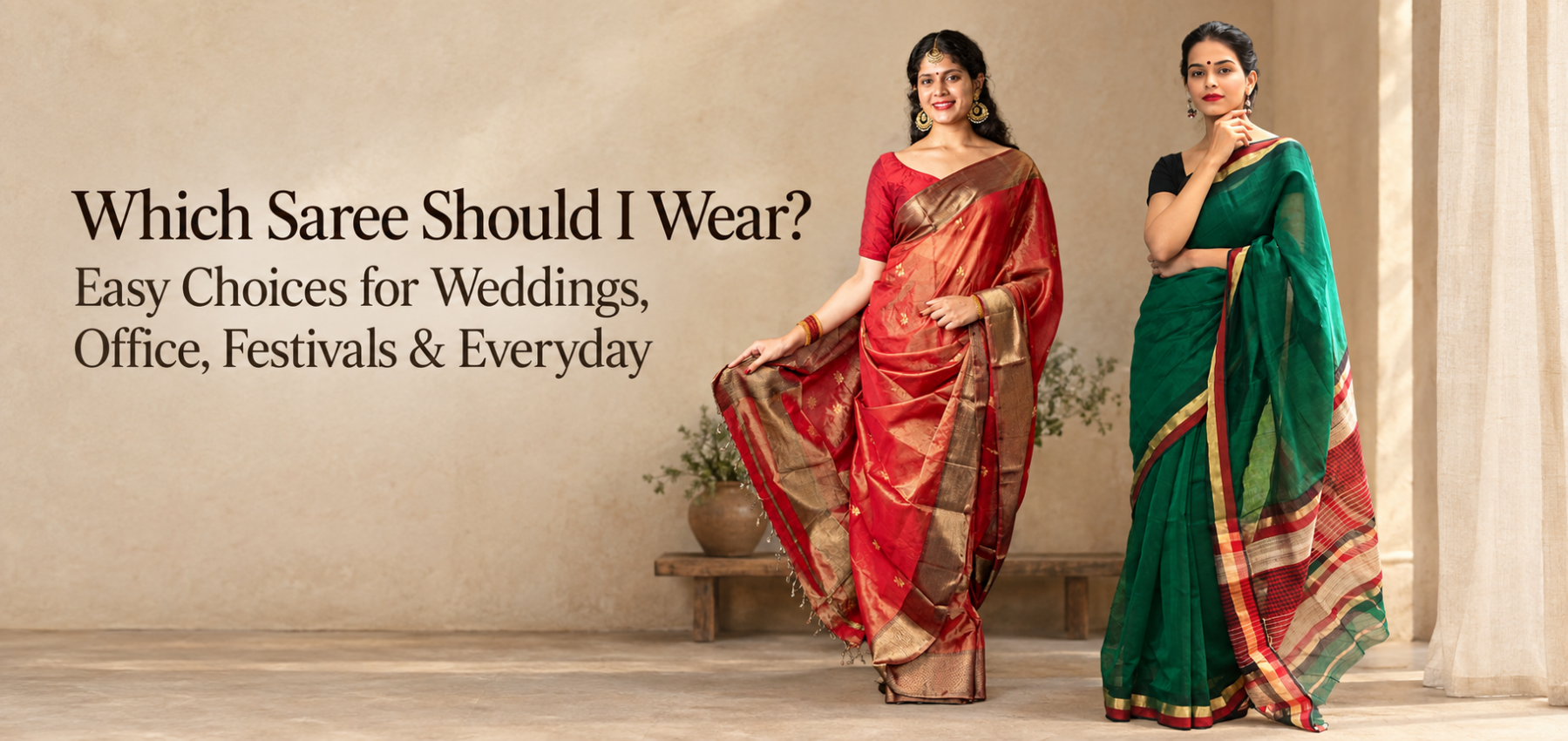
Which Saree Should I Wear? Easy Choices for Weddings, Office, Festivals & Everyday
September 17th, 2026 -
 August 25th, 2026
 -
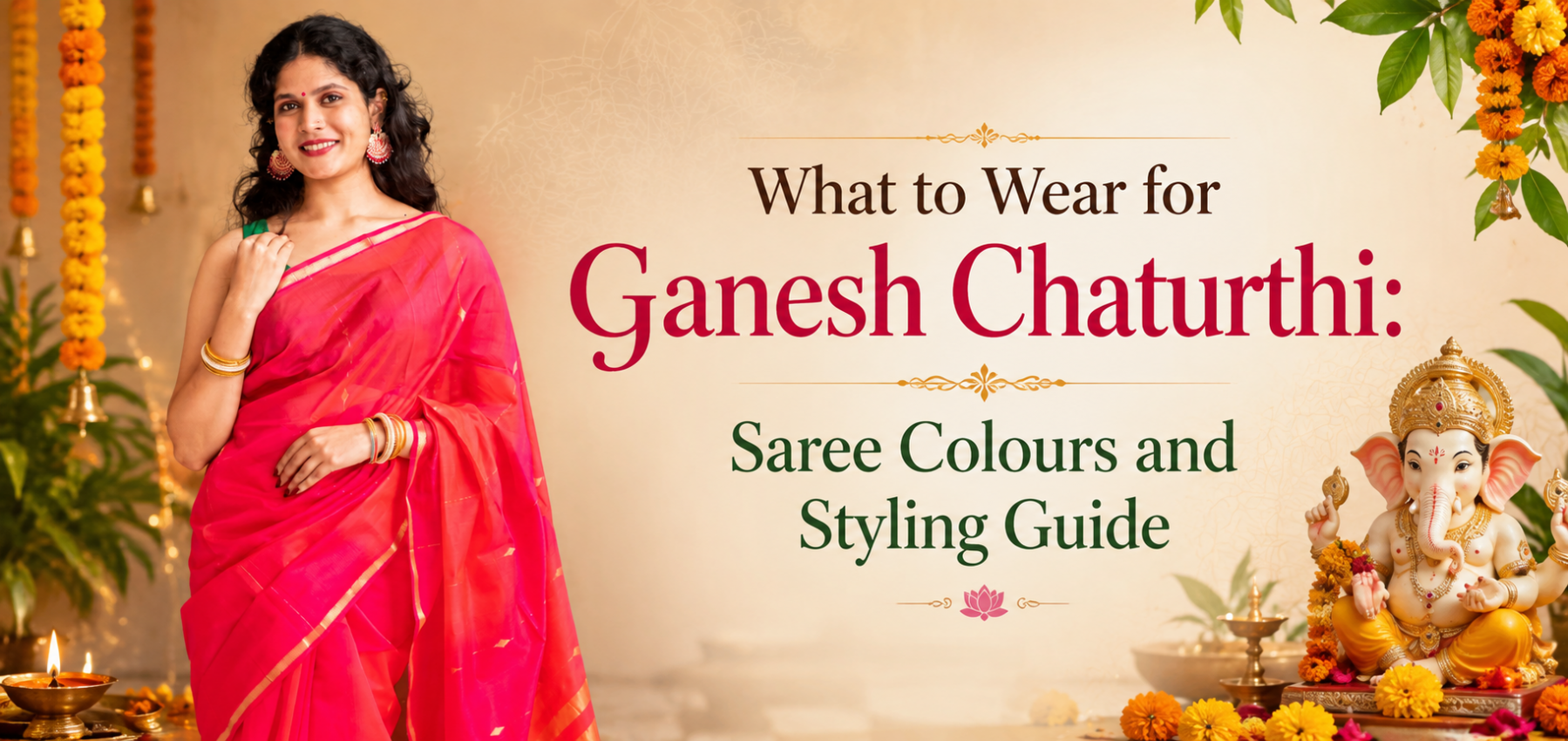
What to Wear for Ganesh Chaturthi: Saree Colours and Styling Guide
August 24th, 2026 -
 August 24th, 2026