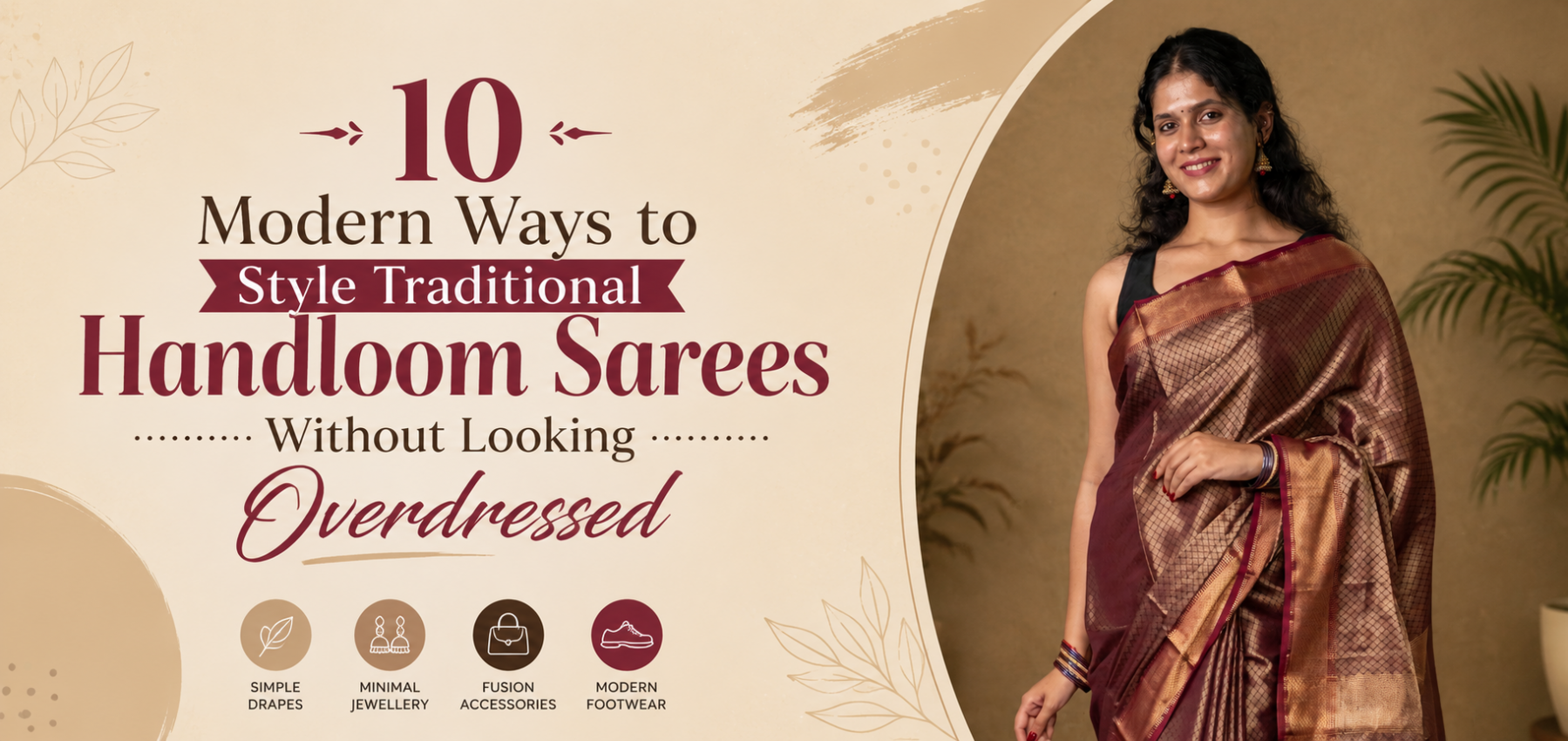
The Growing Popularity of Artisanal Sarees in Modern Fashion
Indian fashion is undergoing a meaningful transformation. Consumers are moving beyond fast-changing trends and embracing clothing that reflects authenticity, craftsmanship, and cultural value. In this shift, artisanal textiles are emerging as a strong preference among modern buyers who appreciate both heritage and sustainability. The Growing Popularity of Artisanal Sarees reflects a broader change in how people view clothing — not just as garments, but as stories woven through tradition, skill, and conscious production.
With increasing awareness about sustainability, ethical sourcing, and slow fashion, Indian consumers are actively searching for handwoven and handcrafted alternatives. Modern women are now choosing pieces that balance elegance with comfort while also supporting artisan communities. This evolution is particularly visible in sarees, where handcrafted techniques such as block printing, weaving, and dyeing create distinctive textures and patterns that machine-made textiles cannot replicate. Additionally, search trends indicate growing interest in heritage-based fashion, breathable fabrics, and versatile ethnic wear suitable for both daily use and special occasions. This demand has created space for artisanal sarees to become wardrobe essentials rather than occasional attire. The movement is not only reviving traditional craftsmanship but also aligning with contemporary styling preferences.
Why Handcrafted Textiles Are Gaining Attention Among Modern Consumers
Handcrafted textiles represent individuality and authenticity. Each piece carries subtle variations that showcase the artisan’s expertise and human touch. Unlike mass-produced garments, handcrafted sarees are made in limited quantities, making them more exclusive. This uniqueness appeals strongly to consumers seeking personalized fashion experiences. Another reason for rising interest is the emotional connection associated with handmade clothing. Buyers are increasingly aware of the stories behind their garments — the weaving communities, traditional techniques, and regional heritage. This awareness encourages mindful purchasing and strengthens appreciation for indigenous textile traditions. Comfort also plays an important role. Many handcrafted sarees use natural fibers like cotton and silk blends, making them breathable and suitable for Indian weather conditions. These qualities allow women to wear them comfortably throughout the day, whether for work, travel, or social gatherings. Consumers searching for Handcrafted Sarees Online are also prioritizing authenticity and quality assurance. They look for ethically produced garments that reflect traditional artistry while meeting modern styling needs. This shift highlights how digital platforms are enabling wider access to heritage fashion.
Understanding the Cultural Value of Artisanal Sarees
Artisanal sarees are deeply rooted in India’s cultural landscape. Different regions have developed unique weaving and dyeing traditions that have been passed down through generations. These techniques preserve craftsmanship while maintaining cultural identity. When buyers choose handcrafted sarees, they participate in preserving these traditions. Artisan-led production also supports local economies. By choosing handmade textiles, consumers contribute to sustaining livelihoods in weaving communities. This ethical aspect resonates with buyers who value responsible fashion choices. As a result, artisanal sarees are no longer viewed solely as traditional wear but as meaningful investments. Furthermore, handcrafted sarees offer versatility. They can be styled for formal occasions, festive events, or everyday wear. This adaptability aligns perfectly with modern wardrobes that prioritize multifunctional clothing.
The Traditional Craft of Wax-Resist Dyeing in Indian Textiles
Batik is one of the most distinctive artisanal techniques widely appreciated in Indian fashion. This wax-resist dyeing method involves applying wax patterns to fabric before dyeing it, resulting in intricate and layered designs. The process requires patience, precision, and artistic skill, making each piece unique. The beauty of batik lies in its organic patterns and handcrafted appeal. No two sarees created through this technique are identical. These characteristics make batik textiles popular among women looking for statement pieces that remain subtle yet elegant. The growing demand for Batik Print Sarees Online reflects increasing interest in handcrafted dyeing methods. Buyers appreciate the artistic detailing and the cultural significance associated with this craft. Batik sarees also complement contemporary styling, making them suitable for both traditional and modern occasions.
Comfort and Versatility of Cotton-Based Artisanal Sarees
Comfort is one of the most important factors influencing fashion choices in India. Cotton-based handcrafted sarees offer breathability, softness, and ease of draping. These features make them ideal for daily wear, especially in warm climates. Batik Cotton Sarees combine artistic design with practicality. The natural fiber ensures comfort throughout the day, while the handcrafted patterns add elegance. This balance makes them suitable for office wear, casual outings, and semi-formal events. Additionally, a Batik Print Cotton Saree provides lightweight comfort without compromising on visual appeal. The breathable fabric allows easy movement, making it a preferred choice for women seeking stylish yet functional attire. Cotton-based artisanal sarees also require minimal maintenance, which further enhances their practicality.
The Rise of Conscious and Sustainable Fashion Choices
Sustainability has become a key consideration in modern fashion. Consumers are actively seeking garments that minimize environmental impact. Artisanal sarees often use natural dyes, hand processes, and small-scale production methods, making them eco-friendly alternatives to mass-produced clothing. The concept of Sustainable Women Fashion encourages mindful buying and long-term usage. Handcrafted sarees support this philosophy by offering durability and timeless appeal. Instead of following short-lived trends, these sarees remain relevant across seasons.
This versatility also extends to professional dressing. A well-crafted formal saree for office wear, made using artisanal techniques such as handwoven cotton or subtle block prints, brings together elegance and sustainability. Working women are increasingly choosing such pieces because they project poise while aligning with conscious fashion values — eliminating the need to choose between professionalism and ethical clothing. Ethical production is another significant advantage. Artisanal fashion emphasizes fair wages, safe working conditions, and preservation of traditional skills. This transparency builds trust among consumers and strengthens the value of handcrafted garments
Styling Artisanal Sarees for Contemporary Wardrobes
Professional and Office Wear
Artisanal sarees in subtle prints and muted tones are ideal for professional settings. Pairing them with structured blouses creates a polished look. Lightweight fabrics ensure comfort during long work hours while maintaining elegance.
Casual Everyday Styling
Handcrafted cotton sarees work well for everyday use. Styling them with minimal accessories and comfortable footwear creates an effortless appearance. These sarees provide versatility without appearing overly formal.
Festive and Occasion Wear
Artisanal sarees with intricate detailing can be styled for festive celebrations. Adding statement jewelry enhances the overall look while preserving traditional charm.
Fusion Styling for Modern Appeal
Modern women are experimenting with fusion styling. Pairing handcrafted sarees with contemporary blouses, belts, or jackets creates a balanced mix of heritage and modernity.
Why Artisanal Sarees Are a Valuable Long-Term Investment
Artisanal sarees are designed to last. The handcrafted processes ensure strong weaving and quality materials. These garments maintain their beauty even after repeated use. Another advantage is timeless design. Unlike trend-driven fashion, artisanal sarees remain stylish across seasons. This longevity reduces the need for frequent purchases. Supporting artisan communities is also a meaningful aspect of investing in handcrafted textiles. Each purchase contributes to sustaining traditional craftsmanship and preserving cultural heritage.
Future of Handcrafted Sarees in Indian Fashion
The demand for artisanal textiles continues to grow as consumers prioritize authenticity and sustainability. The Growing Popularity of Artisanal Sarees demonstrates that heritage fashion is evolving rather than fading. Designers and brands are integrating traditional techniques into modern silhouettes, making handcrafted sarees more accessible. Digital platforms are further accelerating this growth. Buyers can explore regional crafts and understand the stories behind each piece. This transparency encourages informed purchasing decisions and strengthens appreciation for handcrafted textiles. As awareness increases, artisanal sarees are expected to become essential wardrobe staples. Their versatility, comfort, and cultural significance make them relevant for modern lifestyles.
Conclusion
Artisanal sarees represent a harmonious blend of tradition, sustainability, and contemporary style. They offer individuality, comfort, and ethical value, making them ideal for modern consumers. From handcrafted weaving techniques to eco-friendly dyeing processes, these sarees reflect India’s rich textile heritage. Choosing artisanal sarees supports artisan communities, encourages sustainable practices, and preserves cultural traditions. With increasing awareness and demand, handcrafted textiles are becoming central to modern fashion choices. As more consumers embrace mindful fashion, artisanal sarees will continue to shape the future of Indian ethnic wear.
Frequently Asked Questions
1. What makes artisanal sarees different from regular sarees?
Artisanal sarees are handcrafted using traditional techniques, making each piece unique. They often use natural fibers and sustainable processes, unlike mass-produced alternatives.
2. Are handcrafted sarees suitable for daily wear?
Yes, many handcrafted sarees made from cotton or lightweight fabrics are comfortable for everyday use, especially in Indian weather conditions.
3. Why are batik sarees popular in modern fashion?
Batik sarees feature intricate wax-resist dyeing patterns that create distinctive designs. Their handcrafted appeal and versatility make them suitable for multiple occasions.
4. How do artisanal sarees support sustainability?
They use eco-friendly materials, natural dyes, and ethical production methods. This reduces environmental impact and promotes slow fashion.
5. Are artisanal sarees worth investing in?
Yes, they offer durability, timeless designs, and cultural value. Their quality and versatility make them long-lasting wardrobe additions.
-
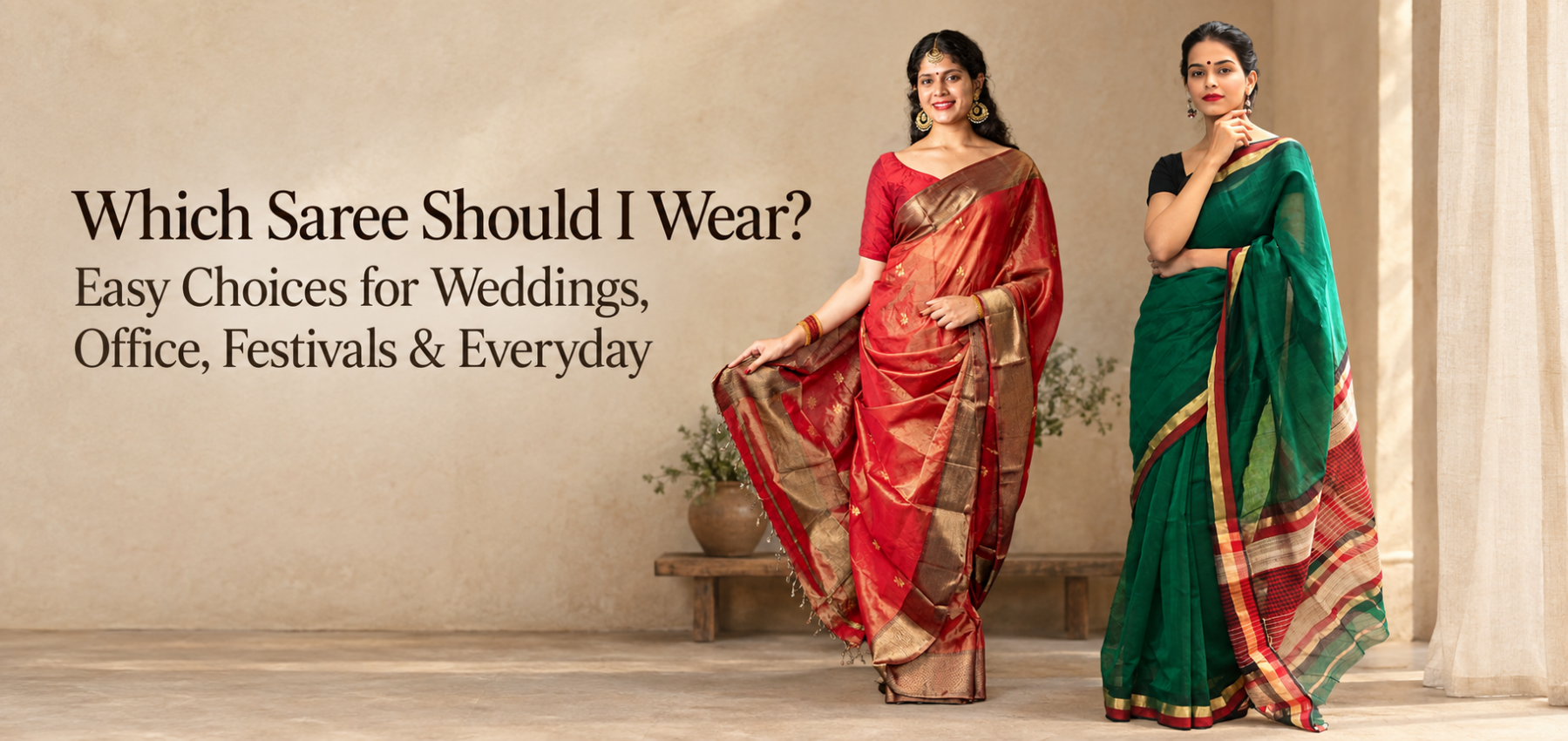
Which Saree Should I Wear? Easy Choices for Weddings, Office, Festivals & Everyday
September 17th, 2026 -
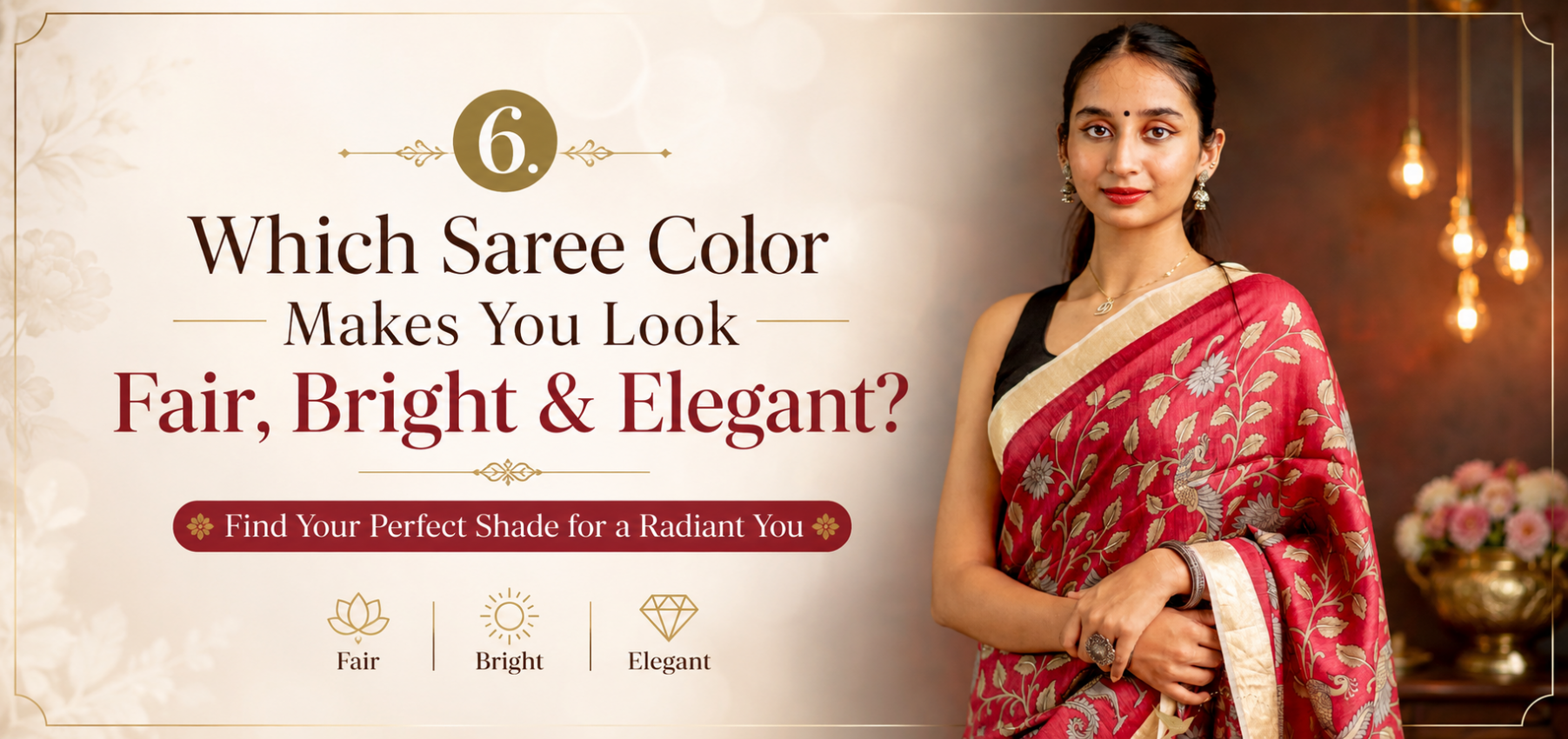 August 25th, 2026
 -
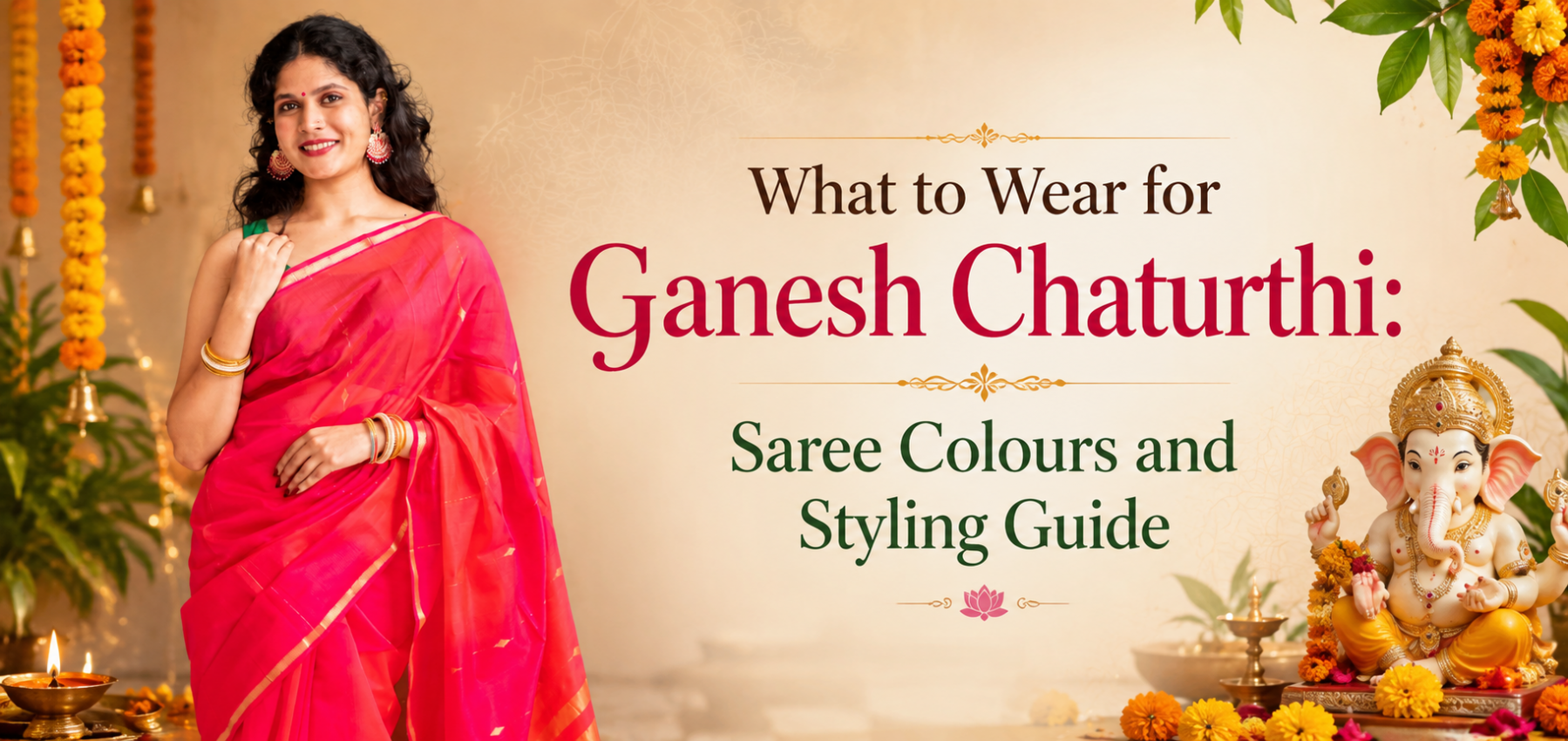
What to Wear for Ganesh Chaturthi: Saree Colours and Styling Guide
August 24th, 2026 -
 August 24th, 2026