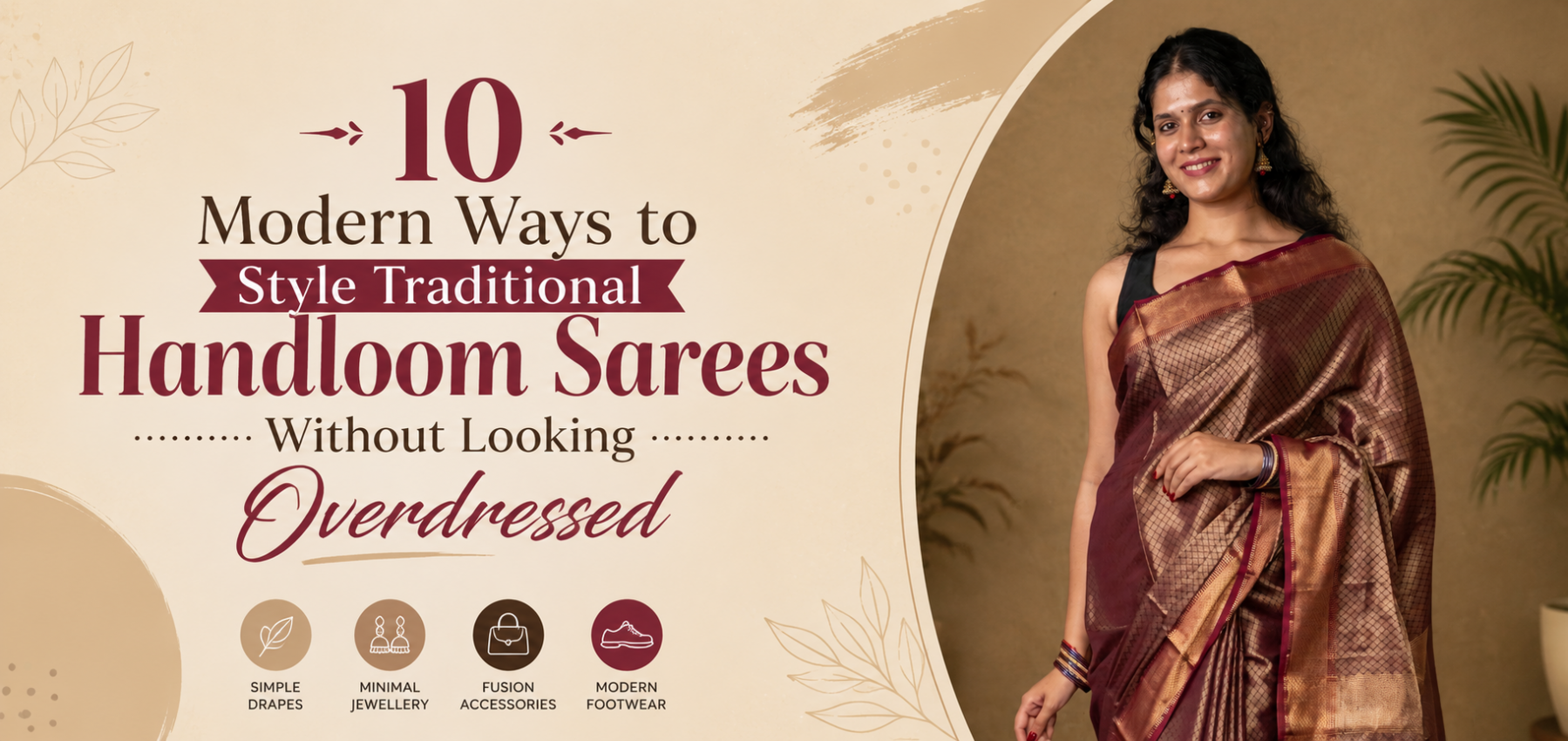
The Human Touch Behind Every Handcrafted Drape
In an age of fast fashion and automated production, the value of human craftsmanship has become more meaningful than ever. A handcrafted drape is not merely a garment; it is a reflection of skill, patience, culture, and emotion woven into fabric. For conscious Indian consumers seeking authenticity and heritage, choosing handloom over machine-made is a thoughtful decision that supports artisans, sustainability, and timeless elegance.
At Thread's Tale, based in Pune, India, every creation reflects India’s textile legacy. The brand’s philosophy celebrates the beauty of imperfections — subtle irregularities that signify the presence of a human hand. These nuances transform a simple saree into a handcrafted drape with character and soul.
What Makes a Handcrafted Drape Truly Unique?
A handcrafted drape stands apart because it is shaped by time-honoured techniques rather than assembly lines. From spinning yarn to weaving intricate borders, each stage requires precision and dedication. The artisan’s rhythm, experience, and intuition guide the loom, ensuring that no two pieces are exactly alike.
Unlike factory-produced textiles, handcrafted pieces preserve traditional weaving practices passed down through generations. These textiles represent India’s diverse handloom clusters and regional artistry. When you wear a handcrafted drape, you are embracing heritage while supporting artisan livelihoods. The individuality of handwoven textiles also makes them ideal for weddings, festivals, and modern celebrations. They carry depth and authenticity that cannot be replicated by synthetic or mass-produced alternatives.
The Legacy of Pure Maheshwari Silk Saree
One of India’s most cherished handloom traditions is the Pure Maheshwari Silk Saree. Originating from Maheshwar in Madhya Pradesh, this weave is known for its lightweight texture, elegant zari borders, and reversible pallus. Maheshwari weaving combines cotton and silk yarns to create breathable yet luxurious fabrics suited to Indian climates. Each saree involves meticulous handloom techniques, ensuring durability and refinement. The geometric motifs and traditional stripes reflect cultural symbolism rooted in centuries-old craftsmanship. For modern women, this weave represents a seamless blend of heritage and sophistication. Whether worn at a festive gathering or styled for contemporary occasions, it exemplifies how a handcrafted drape can be both timeless and versatile.
The Grace of Chanderi Pure Silk Saree
Another treasured textile in Indian handloom heritage is the Chanderi Pure Silk Saree. Known for its sheer texture and subtle shimmer, Chanderi weaving dates back to royal patronage in central India.
Crafted with fine silk threads and intricate motifs, Chanderi sarees are prized for their airy feel and understated elegance. The weaving process demands careful attention, as even slight variations can alter the fabric’s finesse. Artisans invest hours perfecting delicate butis and zari work that enhance its regal appeal. For women seeking lightweight festive attire, Chanderi offers effortless grace. It embodies tradition while remaining adaptable to contemporary styling preferences.
Batik Print Cotton Saree and Artisanal Expression
Handcrafting is not limited to weaving alone. Dyeing and printing techniques also contribute significantly to India’s textile identity. The Batik Print Cotton Saree represents an art form that involves wax-resist dyeing and hand detailing.
Batik artisans apply molten wax to fabric before dyeing, creating distinctive patterns that celebrate creativity. The process is manual and time-intensive, ensuring uniqueness in every piece. These sarees are breathable, comfortable, and ideal for daily wear in India’s climate. Choosing batik reflects an appreciation for handcrafted artistry and supports regional artisans who preserve this centuries-old craft.
Handcrafted Sarees Online: Bridging Tradition and Technology
With digital access transforming shopping habits, consumers can now explore Handcrafted Sarees Online without compromising authenticity. Ethical brands like Thread's Tale ensure transparency, quality assurance, and direct artisan collaboration.
Online platforms empower customers across India and abroad to invest in heritage textiles while supporting artisan communities. Detailed product descriptions, weaving stories, and ethical sourcing practices help buyers make informed decisions. By choosing thoughtfully curated handlooms online, customers contribute to preserving India’s weaving ecosystem while enjoying secure and convenient shopping experiences.
Sustainable Slow Fashion and the Value of Time
The growing awareness around environmental responsibility has strengthened the demand for Sustainable Slow Fashion. Handcrafted textiles align naturally with slow-fashion values because they prioritize quality over quantity.
Unlike synthetic mass production, handloom weaving consumes minimal electricity and often uses natural fibres and dyes. Production cycles are intentional, reducing waste and encouraging mindful consumption. A handcrafted drape supports sustainability by promoting longevity. These textiles are designed to last decades, often becoming heirlooms passed down through generations. Investing in quality reduces the need for frequent replacements, making it an environmentally responsible choice.
Artisan Empowerment: The Heart of Every Creation
Behind every handcrafted drape lies a network of skilled artisans — weavers, dyers, embroiderers, and finishers — who dedicate years to mastering their craft. Supporting handcrafted textiles directly contributes to rural employment and cultural preservation.
Thread's Tale emphasizes ethical production and fair practices, ensuring artisans receive recognition and sustainable livelihoods. Celebrating handcrafting also restores dignity to traditional skills that risk fading in the face of mechanization. By valuing craftsmanship, consumers become active participants in sustaining India’s handloom legacy.
Why Modern Indian Women Choose Handcrafted Drapes
Today’s ethnic wear buyers seek authenticity, versatility, and ethical value. A handcrafted drape fulfills all three. It can be styled traditionally for weddings or paired with contemporary accessories for modern occasions.
Handwoven textiles also resonate with women who appreciate cultural storytelling. Each weave, motif, and dye technique reflects regional identity and artisanal lineage. For gifting, handcrafted sarees convey thoughtfulness and heritage-rich elegance. They symbolize more than fashion — they represent a meaningful connection to India’s artistic roots.
Conclusion: More Than Fabric, A Living Legacy
The human touch behind every handcrafted drape transforms fabric into heritage. Each thread carries patience, expertise, and cultural memory. In choosing handcrafted textiles, consumers invest in authenticity, sustainability, and artisan empowerment.
For Indian shoppers seeking heritage-rich elegance with ethical integrity, Thread's Tale offers thoughtfully curated collections that honour tradition while embracing modern aesthetics. When you choose handwoven craftsmanship, you do more than enhance your wardrobe — you preserve stories, sustain communities, and celebrate the enduring beauty of India’s textile heritage.
-
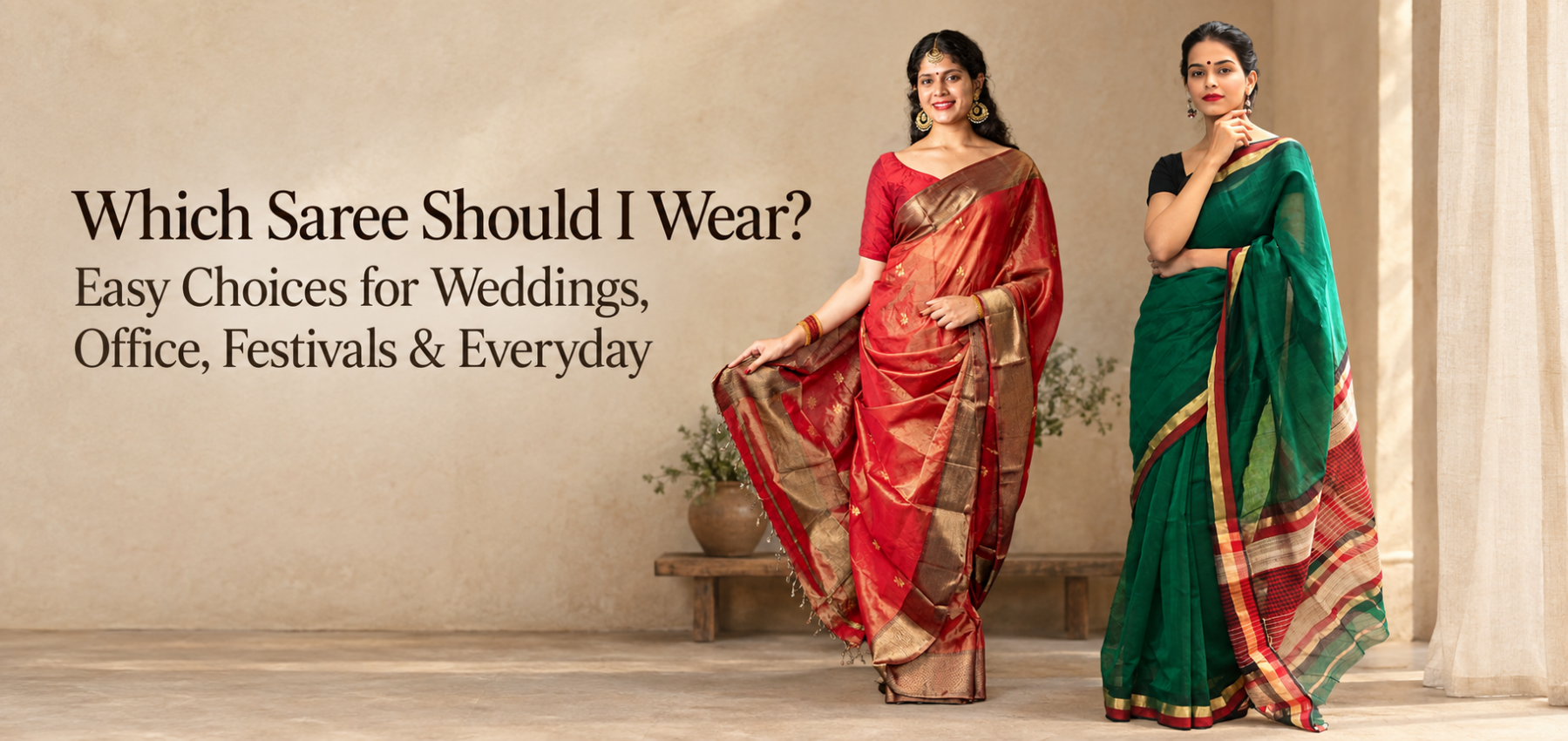
Which Saree Should I Wear? Easy Choices for Weddings, Office, Festivals & Everyday
September 17th, 2026 -
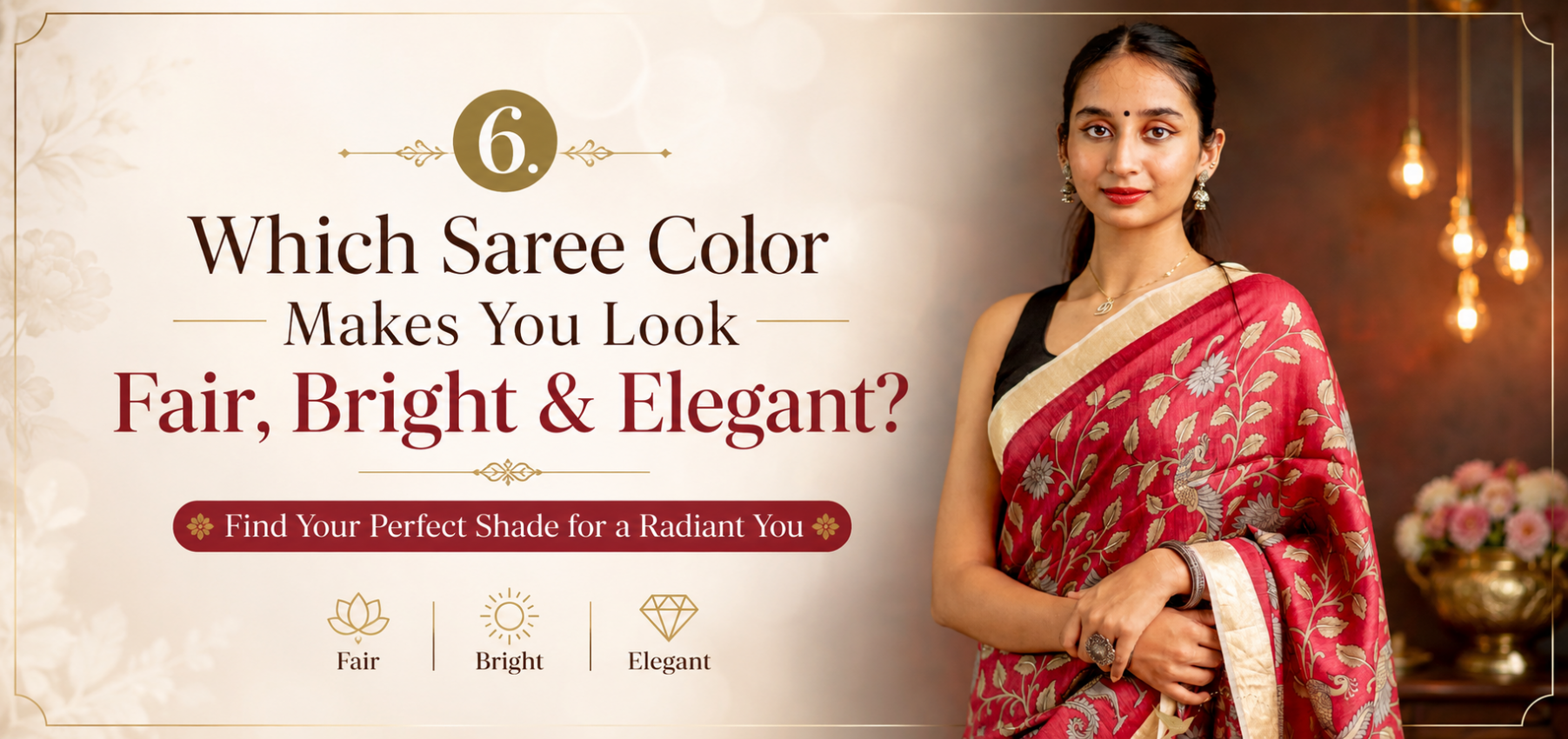 August 25th, 2026
 -
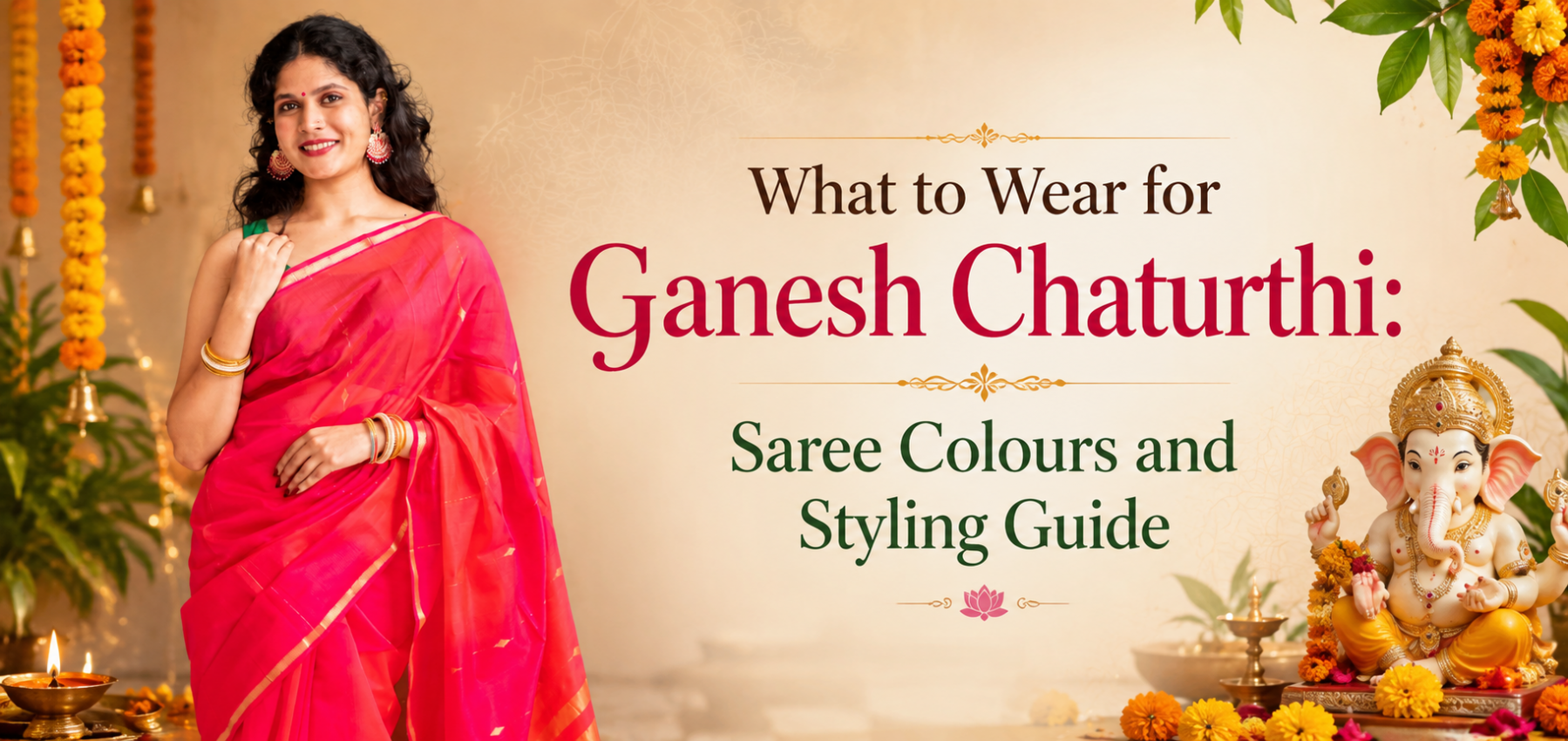
What to Wear for Ganesh Chaturthi: Saree Colours and Styling Guide
August 24th, 2026 -
 August 24th, 2026