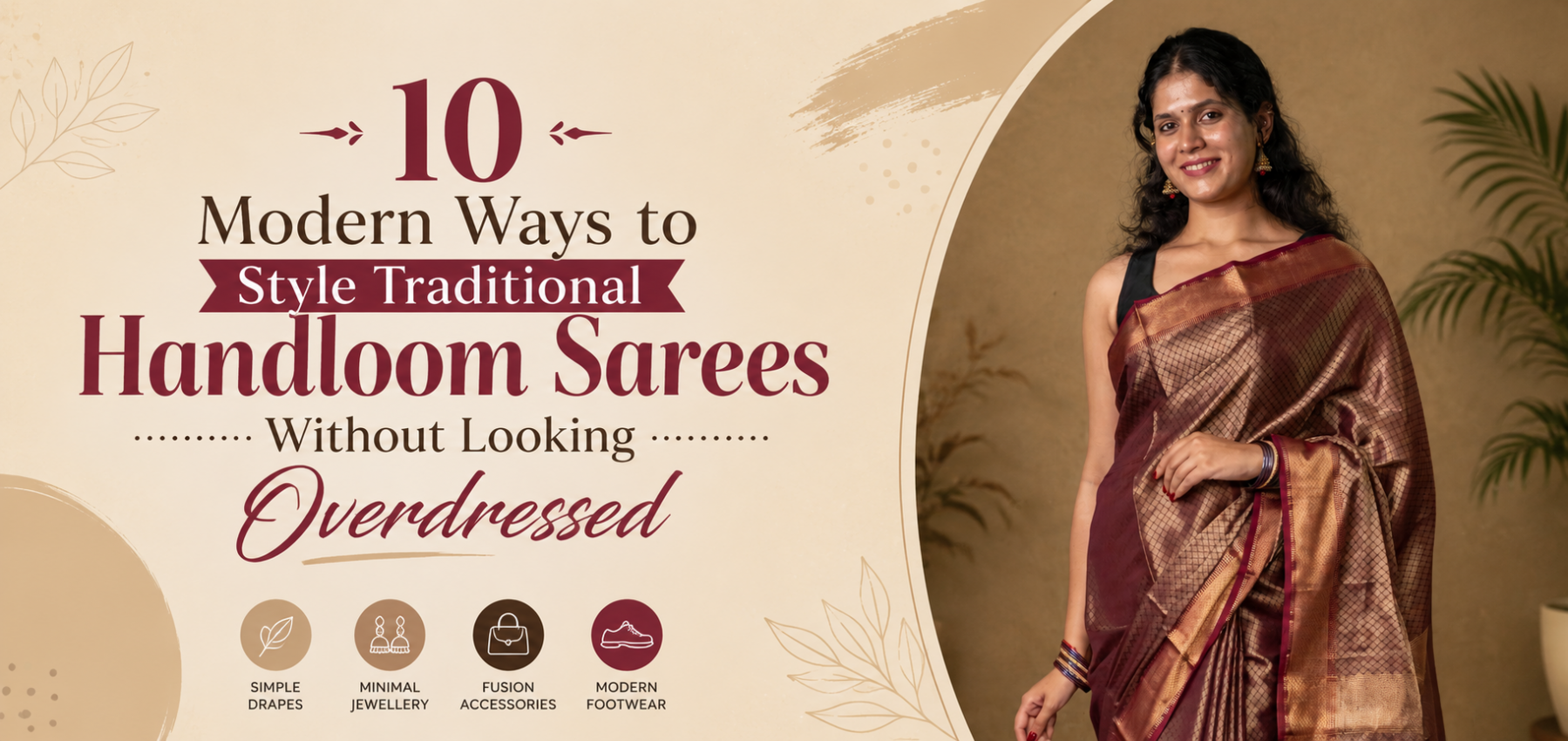
Understanding the Craft Behind Handwoven Fabrics in India
India’s textile heritage is one of the richest in the world, deeply rooted in centuries-old traditions, regional artistry, and cultural storytelling. From the intricate weaving techniques of Madhya Pradesh to the delicate silk looms of West Bengal, handwoven fabrics in India are not merely textiles — they are narratives of craftsmanship passed down through generations. In today’s fast-fashion era, where mass production dominates, the revival of handloom weaving represents a return to authenticity, sustainability, and cultural pride.
For conscious consumers and heritage enthusiasts, understanding the craft behind handwoven fabrics in India helps in making informed purchasing decisions. It also highlights the immense skill, time, and dedication that artisans invest in creating each piece. Brands focusing on authentic craftsmanship and ethical production are contributing significantly to preserving India’s handloom legacy while promoting sustainable consumption patterns.
This guide explores the craftsmanship, weaving techniques, regional variations, and cultural significance of handwoven fabrics, helping buyers appreciate their true value and make mindful choices aligned with ethical fashion.
What Are Handwoven Fabrics?
Handwoven fabrics are textiles produced manually on traditional looms without automated machinery. Unlike powerloom fabrics, which are manufactured in bulk, handwoven textiles require individual attention, precision, and artistic skill. Each thread is carefully interlaced, allowing artisans to create unique patterns and textures.
The beauty of handwoven fabrics lies in their subtle irregularities — slight variations in weave, color, or pattern. These are not flaws but signatures of authenticity. Such characteristics distinguish handcrafted textiles from machine-made alternatives, making them more valuable and culturally meaningful.
The Historical Roots of Indian Handloom Weaving
The history of Indian handwoven textiles dates back thousands of years. Ancient civilizations like the Indus Valley used hand-spun cotton and natural dyes. Over centuries, various regions developed their distinctive weaving techniques influenced by local culture, climate, and materials.
Royal patronage during different dynasties further refined handloom craftsmanship. Mughal rulers encouraged fine muslins, silks, and brocades, while regional kingdoms supported local artisans. Today, these traditions continue to thrive in clusters across India, sustaining artisan communities and preserving heritage techniques.
The Step-by-Step Process of Handwoven Fabric Creation
1. Sourcing Natural Fibers
The journey of handwoven fabric begins with selecting high-quality fibers. Cotton, silk, linen, and wool are commonly used. Many artisan clusters also rely on organic or locally sourced materials, ensuring sustainability and durability.
2. Spinning the Yarn
After sourcing fibers, artisans spin them into yarn. This step requires precision, as the thickness of the yarn influences the texture of the final fabric. Hand-spun yarn often has a soft, breathable feel, making it ideal for Indian climatic conditions.
3. Dyeing the Threads
Traditional handloom weaving often involves natural dyeing methods using plant-based colors. Indigo, turmeric, madder root, and pomegranate are commonly used. These dyes create earthy tones and enhance the eco-friendly nature of handwoven textiles.
4. Setting Up the Loom
Setting up the loom is a time-consuming process. The warp threads are carefully aligned, and patterns are planned manually. This stage determines the design structure and requires significant expertise.
5. Weaving the Fabric
The weaving process involves interlacing warp and weft threads using manual techniques. Depending on complexity, a single saree or fabric piece may take several days to weeks to complete. This labor-intensive approach ensures superior craftsmanship.
Regional Diversity in Indian Handwoven Fabrics
India’s geographical diversity contributes to varied weaving traditions. Each region produces distinctive fabrics reflecting local aesthetics and cultural symbolism.
Central India – Maheshwari and Chanderi
Central India is renowned for lightweight, elegant weaves. These fabrics are known for their fine texture and traditional motifs. Many buyers prefer options like Tissue Chanderi Fabric for festive occasions due to its sheer finish and subtle shimmer.
West Bengal – Jamdani and Muslin
West Bengal’s handwoven textiles emphasize delicate motifs and ultra-fine weaving. Jamdani weaving is particularly admired for its intricate patterns created during the weaving process itself.
Gujarat & Rajasthan – Bandhani and Handloom Cotton
Western India showcases vibrant colors and tie-dye techniques. These fabrics are often used for dupattas and sarees suitable for festive wear.
South India – Silk Weaves
South India produces luxurious silk textiles with temple-inspired borders and traditional motifs. These fabrics are widely used for ceremonial attire.
Why Handwoven Fabrics Are Unique
- Each piece is individually crafted
- Superior breathability and comfort
- Eco-friendly production methods
- Supports artisan livelihoods
- Preserves cultural heritage
These characteristics make handwoven textiles ideal for conscious buyers seeking authenticity.
Handwoven Fabrics and Sustainable Slow Fashion
The global shift toward Sustainable Slow Fashion has increased demand for handcrafted textiles. Unlike fast fashion, slow fashion emphasizes durability, ethical production, and mindful consumption.
Handwoven fabrics align perfectly with slow fashion principles. They use minimal electricity, reduce carbon footprint, and promote fair wages for artisans. Additionally, these textiles last longer, reducing the need for frequent replacements.
The Role of Artisans in Preserving Heritage
Artisans are the backbone of India’s handloom industry. Many weaving techniques are preserved within families, passed from one generation to the next. Their craftsmanship reflects years of training and dedication.
By purchasing handcrafted textiles, consumers contribute directly to artisan empowerment and livelihood sustainability. Ethical brands often collaborate closely with weaving communities to ensure fair compensation and long-term support.
Popular Handwoven Products in Modern Wardrobes
Handwoven Sarees
Handwoven sarees are timeless pieces suitable for both traditional and contemporary styling. Many buyers look for Handmade Sarees Online to access authentic designs crafted by skilled artisans.
Dupattas
A Handwoven Dupatta adds elegance to both ethnic and fusion outfits. These versatile accessories highlight craftsmanship while offering lightweight comfort.
Fabric Yardage
Handwoven fabrics are also used for custom tailoring, allowing individuals to create unique garments.
How to Identify Authentic Handwoven Fabrics
- Check for slight irregularities in weave
- Look for hand-finished edges
- Feel the texture — handwoven fabrics are softer
- Verify artisan or handloom certifications
- Understand the brand’s sourcing transparency
These indicators help differentiate genuine handloom products from machine-made alternatives.
The Cultural Significance of Handwoven Textiles
Handwoven fabrics often represent regional traditions, rituals, and storytelling. Motifs inspired by nature, architecture, and mythology reflect local identities. Wearing these textiles allows individuals to carry forward cultural heritage in a modern context.
Modern Styling with Handwoven Fabrics
Contemporary fashion integrates handwoven textiles into modern silhouettes. From minimal saree drapes to fusion outfits, handcrafted fabrics adapt easily to evolving trends. Pairing traditional textiles with modern accessories creates versatile looks suitable for multiple occasions.
Why Investing in Handwoven Fabrics Matters
Purchasing handwoven textiles is more than a fashion choice — it is a conscious decision that supports sustainability, heritage preservation, and ethical production. These fabrics offer longevity, timeless appeal, and cultural value.
Many consumers today prefer premium handcrafted options like Pure Maheshwari Silk Saree for celebrations, as they combine elegance with authenticity.
Thread's Tale: Celebrating India’s Handwoven Heritage
Brands focusing on authentic craftsmanship play an essential role in promoting handloom traditions. By working directly with artisans and emphasizing ethical production, such brands ensure that traditional weaving techniques remain relevant in modern fashion.
With a commitment to sustainability and heritage, curated collections offer thoughtfully designed handwoven pieces suitable for festivals, weddings, and everyday elegance. These handcrafted textiles blend traditional artistry with contemporary styling.
Future of Handwoven Fabrics in India
The future of handwoven textiles looks promising due to growing awareness around sustainability and ethical fashion. Government initiatives, artisan collaborations, and consumer education are helping revive traditional weaving clusters.
Digital platforms have also made handcrafted textiles accessible to a wider audience, encouraging more people to explore authentic handloom products. This shift ensures that India’s weaving heritage continues to thrive.
Conclusion
Understanding the craft behind handwoven fabrics in India allows buyers to appreciate the artistry, cultural significance, and sustainability of these textiles. From yarn selection to weaving, every stage reflects dedication and expertise. Choosing handwoven fabrics supports artisans, preserves heritage, and promotes eco-conscious fashion.
As consumers increasingly prioritize authenticity and sustainability, handwoven textiles continue to gain recognition as timeless wardrobe investments. Whether for everyday elegance or special occasions, these handcrafted fabrics represent India’s rich textile legacy and the enduring value of slow, mindful fashion.
FAQs
1. What makes handwoven fabrics different from machine-made fabrics?
Handwoven fabrics are created manually on traditional looms, resulting in unique textures and patterns. Machine-made fabrics are mass-produced and lack the individuality and craftsmanship of handloom textiles.
2. Are handwoven fabrics sustainable?
Yes, handwoven fabrics are considered sustainable because they use minimal electricity, often involve natural fibers, and support ethical artisan livelihoods.
3. How long does it take to create a handwoven fabric?
Depending on complexity, weaving a single saree or fabric piece may take several days to weeks, as the process is entirely manual.
4. Are handwoven fabrics suitable for everyday wear?
Yes, many handwoven fabrics are lightweight and breathable, making them comfortable for daily use, especially in Indian climates.
5. How can I verify the authenticity of handwoven textiles?
You can check for irregular weave patterns, soft texture, hand-finished edges, and certifications. Purchasing from trusted brands also ensures authenticity.
-

Which Saree Should I Wear? Easy Choices for Weddings, Office, Festivals & Everyday
September 17th, 2026 -
 August 25th, 2026
 -

What to Wear for Ganesh Chaturthi: Saree Colours and Styling Guide
August 24th, 2026 -
 August 24th, 2026